

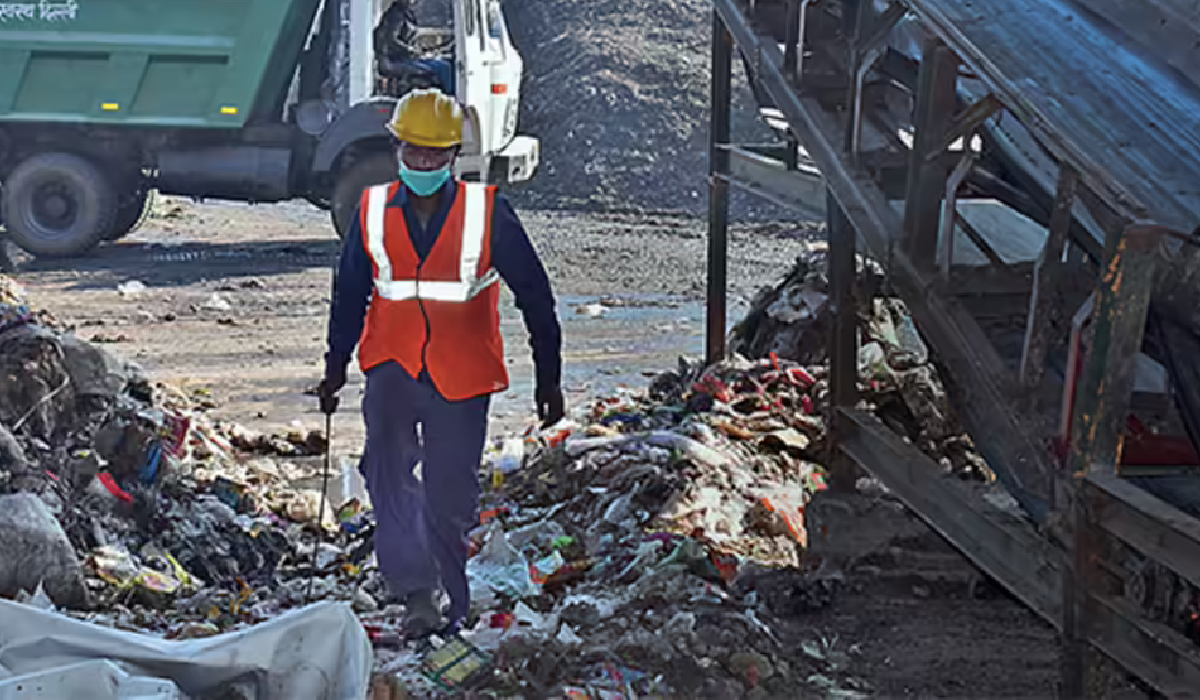
From Waste to Wealth: Creating Circular Campuses That Leave No Trace
Waste is no longer just discarded—it’s a resource for innovation. Universities are embracing circular campus initiatives that recycle, repurpose, and compost, reducing ecological impact. These programs create sustainable learning environments while instilling a culture of environmental responsibility in students.
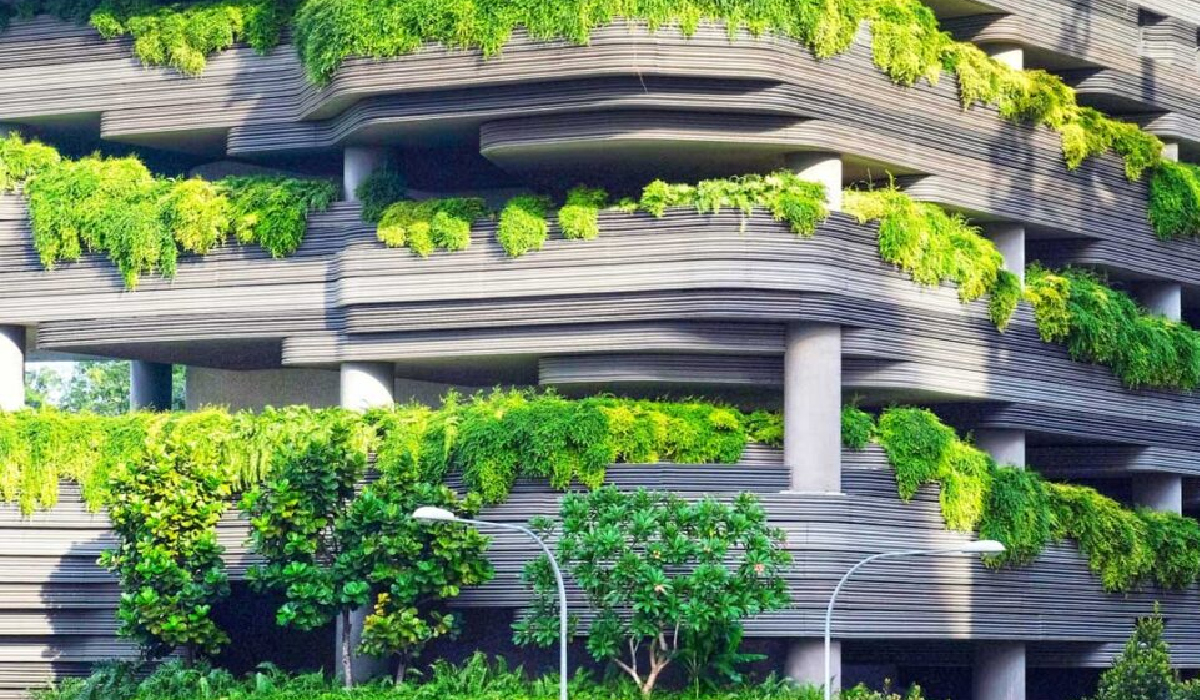
Designing the Future: Green Buildings That Think, Save, and Sustain
Modern universities are leading the way with green buildings that prioritize both sustainability and innovation. Incorporating features like energy-efficient systems, natural ventilation, and eco-friendly materials, these structures minimize environmental impact while providing comfortable, productive spaces for learning. Beyond reducing costs and emissions, green buildings serve as powerful examples of how thoughtful design can support a sustainable and resilient future.

Rethinking Mobility: Building Clean and Green Campus Transportation
Campuses today are transforming the way people move by adopting efficient and environmentally responsible transportation solutions. By promoting options like electric mobility, cycling, and walkable infrastructure, universities are reducing their carbon footprint while creating safer and more accessible spaces. These efforts not only support sustainability goals but also inspire students to embrace cleaner transportation choices in their everyday lives.
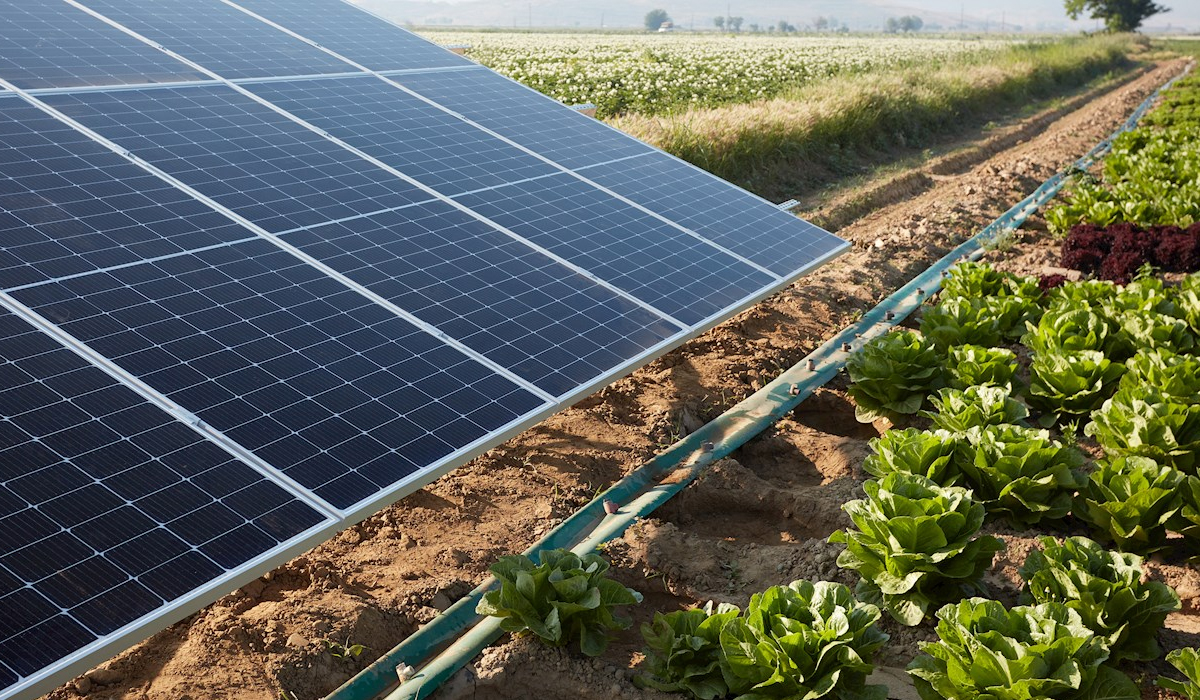
Powering Campuses with the Sun: The Rise of Solar-Driven Universities
Across the world, universities are embracing solar power as a reliable and sustainable energy solution for their campuses. By harnessing sunlight through advanced technologies, they are minimizing environmental impact while improving energy efficiency. These solar initiatives not only support cost savings but also provide students with real-world exposure to renewable energy systems, shaping a generation that is ready to lead the transition toward a cleaner and more sustainable future.
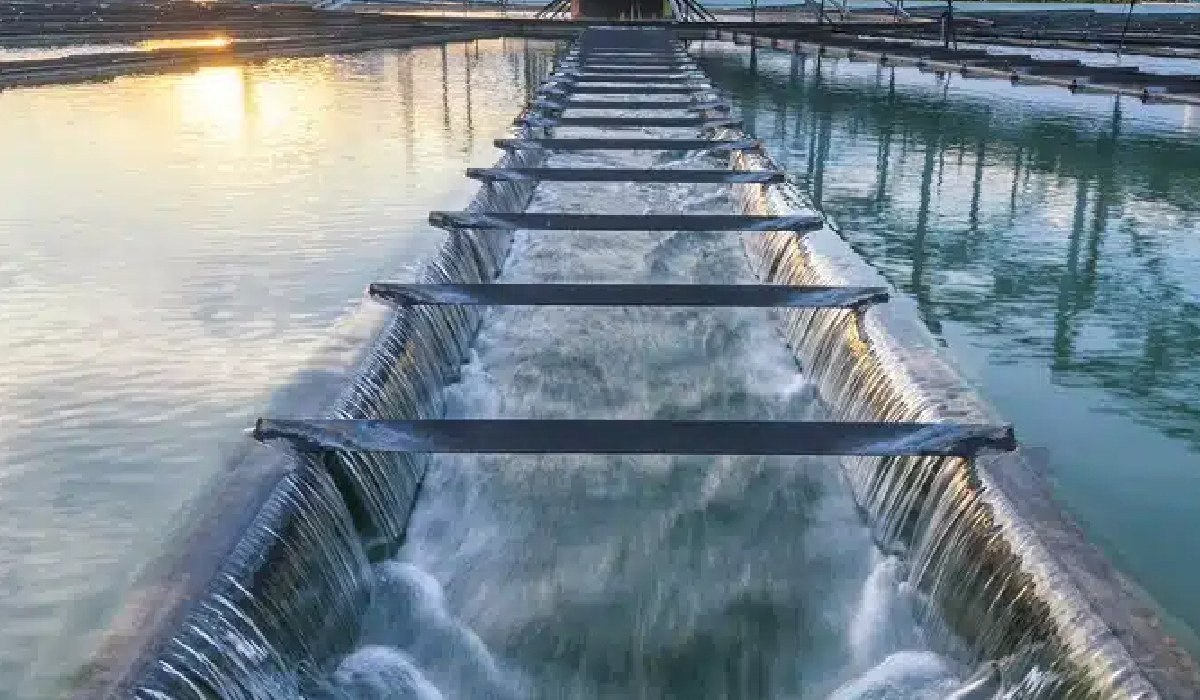
Smart Water Systems: How Universities Are Securing the Future of Every Drop
Universities are emerging as powerful models of sustainable water management by transforming their campuses into efficient, self-sustaining ecosystems. Through innovative practices like rainwater harvesting, wastewater recycling, and smart monitoring systems, they are reducing water wastage while ensuring long-term resource security. These initiatives not only address the growing challenge of water scarcity but also prepare students to become responsible stewards of the environment.

India and Egypt deliberate to strengthen ties through avenues of strategic collaboration in skill development
India’s efforts to align its vocational education and training (TVET) ecosystem with global standards, and the establishment of world-class Skill India International Centres, were presented as models for international collaboration.

Corn leads to improved performance in lithium-sulfur batteries
Lithium-sulfur batteries are lighter for the same amount of energy and more environmentally friendly than commonly used lithium-ion batteries

SSIPL’s Skoodle is Rewriting the Future of Sustainability — One Pencil at a Time
Sustainable transformation does not necessarily arise from revolutionary upheaval—it may begin with the reimagining of what we already have. One pencil at a time
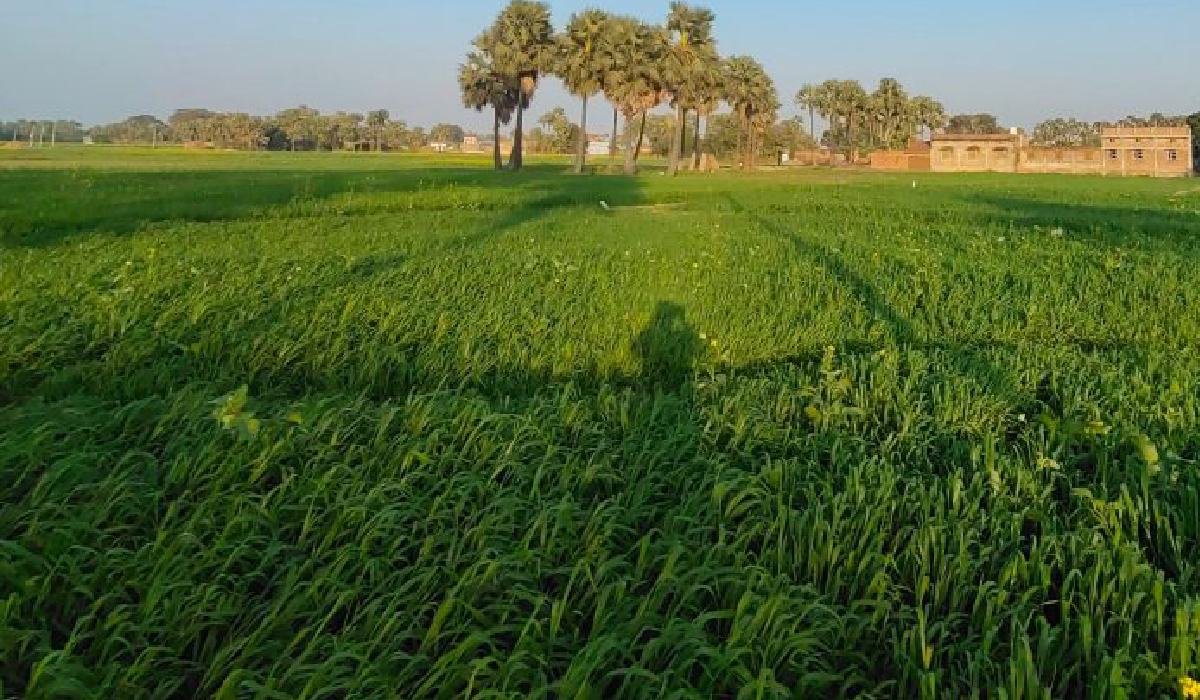
Pakistan can renovate a new pathway for Sustainable Aviation Fuel from waste crop
The successful development of Pakistan’s first SAF facility, described as “the first private sector-led SAF project in Asia and the Pacific” by the ADB, marks a significant first step.
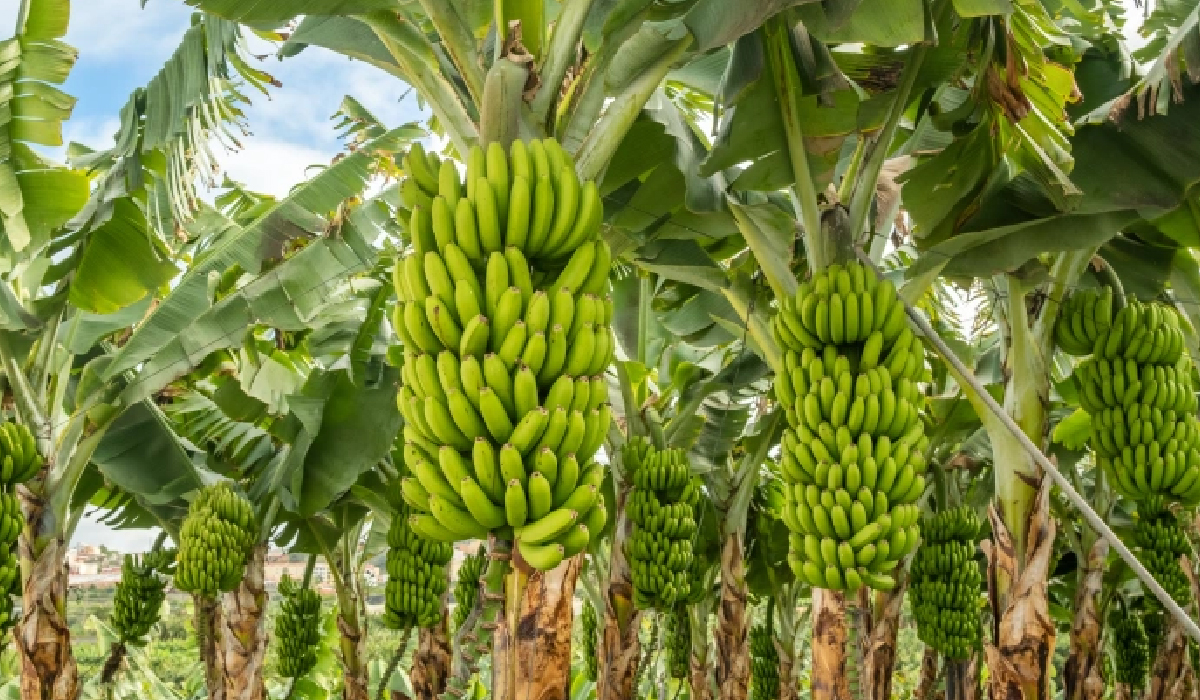
Banana Cultivation: Expanding Markets and High Returns
Banana farming is evolving into a lucrative commercial enterprise, thanks to high market demand, short growth cycles, and multiple value-added opportunities. From fresh fruit to packaged products like banana chips and flour, the crop offers diverse revenue streams. Modern techniques, export potential, and urban retail growth make banana cultivation a high-return agribusiness.