
Offshore Wind Energy: A New Frontier in Renewable Power
Introduction: Harnessing the Power of the Seas
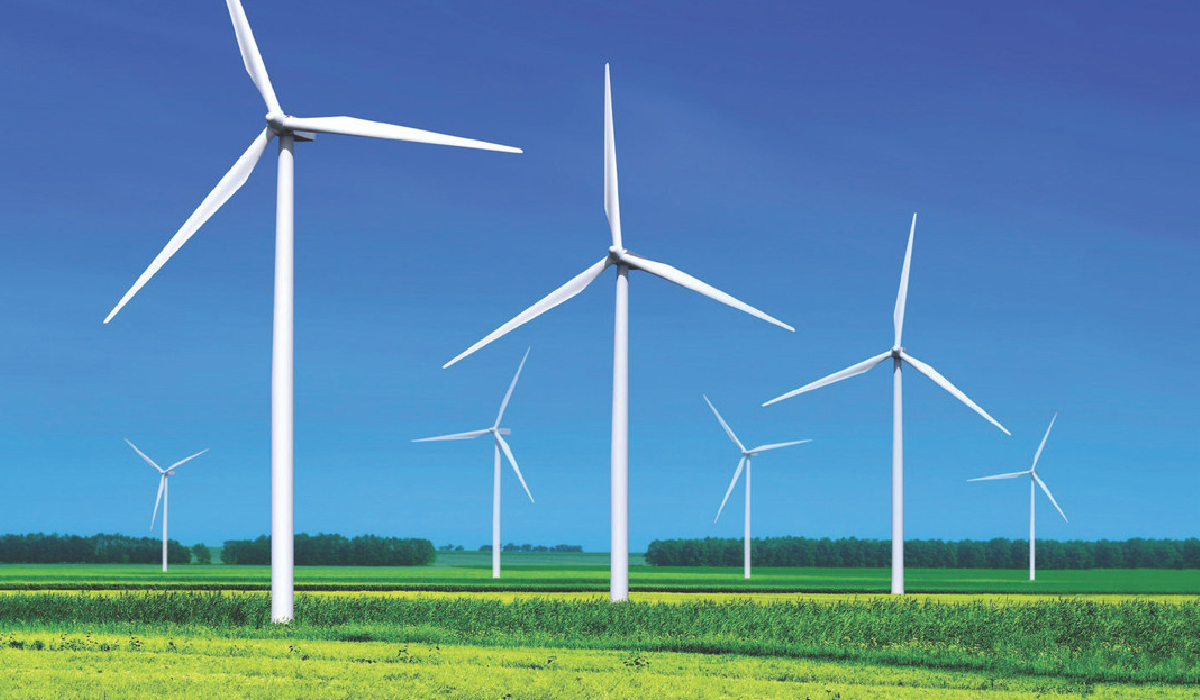
Offshore wind energy is emerging as a transformative force in the global renewable energy transition. By installing wind turbines in coastal waters, countries can generate massive amounts of clean, low-carbon electricity while minimizing land use. With technological advancements and falling costs, offshore wind is becoming a key pillar for achieving climate goals and energy security worldwide.
Why Offshore Wind is Important
Unlike onshore wind farms, offshore installations benefit from stronger and more consistent wind speeds, leading to higher energy yields. Coastal cities and industrial zones can access renewable power directly, reducing reliance on fossil fuels. Offshore wind also offers long-term scalability, helping nations meet growing electricity demand while drastically cutting greenhouse gas emissions.
Technological Advancements in Offshore Wind
Recent innovations have made offshore wind more efficient and cost-effective. Floating turbines allow deployment in deeper waters previously inaccessible to traditional fixed platforms. Larger turbines with higher capacities capture more energy per unit. Advanced grid connections, digital monitoring, and predictive maintenance using AI optimize performance and minimize downtime.
Economic and Environmental Benefits
Offshore wind projects create jobs in manufacturing, installation, and maintenance, stimulating coastal economies. They also reduce fossil fuel imports and stabilize energy prices. Environmentally, offshore wind generates clean energy without emitting greenhouse gases, supports climate commitments, and can coexist with marine ecosystems if properly managed. Careful site selection and monitoring mitigate potential impacts on marine life.
Global Success Stories
Europe is leading the offshore wind revolution. The United Kingdom and Denmark have established massive offshore wind farms supplying significant portions of national electricity. In Asia, China’s offshore capacity is expanding rapidly, while the United States is developing large-scale projects along the Atlantic coast. These initiatives demonstrate the feasibility and economic viability of offshore wind as a mainstream energy source.
Challenges and Solutions
Offshore wind faces challenges such as high installation costs, grid connectivity issues, and harsh marine environments. Solutions include technological innovation in turbine design, cost-sharing through public-private partnerships, and advanced maintenance strategies using drones and robotics. International collaboration can accelerate standardization and reduce project risks.
The Future of Offshore Wind Energy
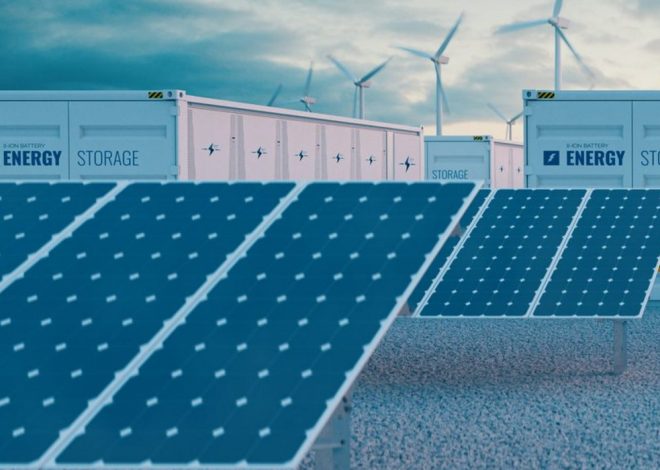
The next decade promises exponential growth in offshore wind capacity, driven by floating turbines, hybrid renewable integration, and enhanced energy storage. Offshore wind will not only supply electricity to cities and industries but also support green hydrogen production, further expanding its role in a low-carbon economy.
Conclusion: Riding the Wave Toward Renewable Energy
Offshore wind energy represents a new frontier in sustainable power generation. By leveraging technology, strategic investment, and environmental stewardship, nations can tap the vast potential of coastal winds. Offshore wind offers a scalable, clean, and reliable solution, propelling the world toward a resilient, net-zero energy future.