
Air Quality Crisis in South Asian Cities
Introduction: A Growing Health and Environmental Threat
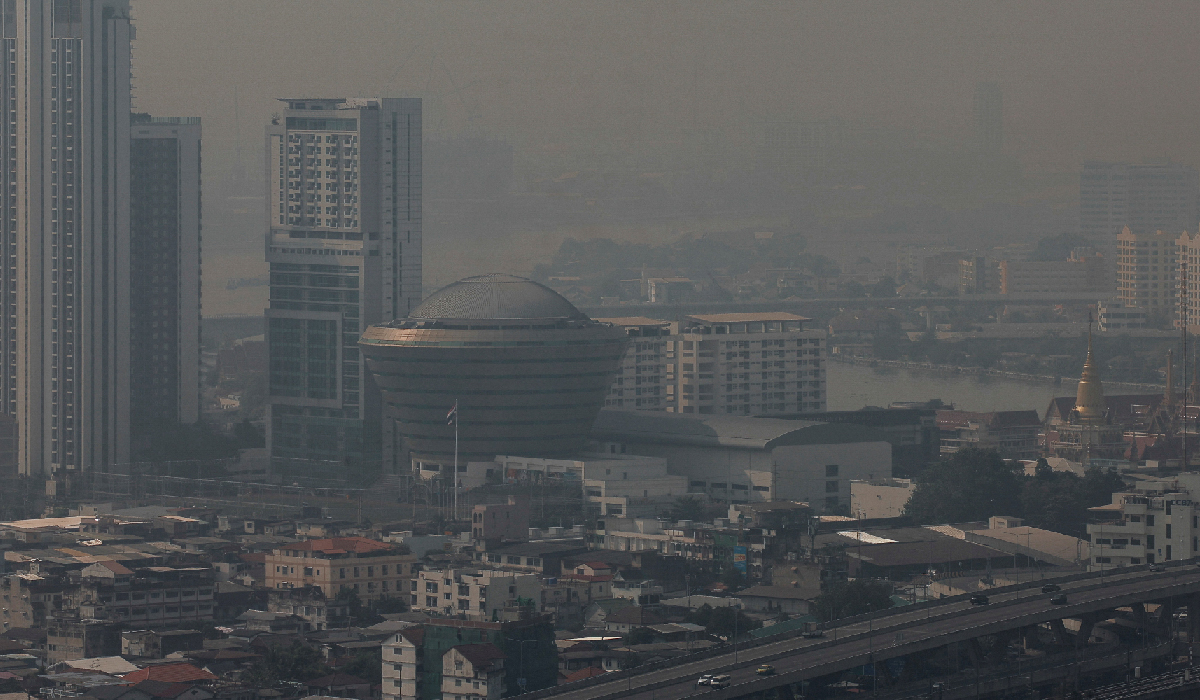
South Asian cities are facing an escalating air quality crisis. Rapid urbanization, industrialization, vehicular emissions, and biomass burning have turned cities like Delhi, Karachi, Dhaka, and Kathmandu into some of the most polluted urban centers in the world. Poor air quality not only threatens human health but also harms ecosystems, reduces visibility, and impedes economic productivity. Immediate action is required to protect public health and sustainable urban development.
Causes of Air Pollution in South Asia
Multiple factors contribute to deteriorating air quality. High-density traffic emits fine particulate matter (PM2.5 and PM10), nitrogen oxides, and carbon monoxide. Industrial zones release toxic gases, including sulfur dioxide and volatile organic compounds. Agricultural practices such as crop residue burning add to seasonal pollution spikes. Additionally, inefficient waste management and construction dust exacerbate particulate levels, creating severe smog events during winter months.
Health Impacts on Urban Populations
Air pollution poses serious health risks. Chronic exposure leads to respiratory diseases, cardiovascular conditions, lung cancer, and reduced life expectancy. Vulnerable groups, including children, the elderly, and outdoor workers, face higher risks. The World Health Organization estimates that millions in South Asia are affected annually, leading to increased hospitalizations and healthcare costs. Beyond human health, pollution also harms crops, forests, and water sources, affecting regional food and ecosystem security.
Monitoring and Data-Driven Solutions
Monitoring air quality is critical for mitigation. Cities are installing air monitoring stations, utilizing satellite data, and implementing real-time air quality indices to inform residents and policymakers. Data-driven approaches help identify pollution hotspots, enforce regulations, and guide traffic management and industrial operations to reduce emissions efficiently.
Policy and Regulatory Measures
Governments are implementing policies to combat air pollution. Measures include stricter vehicle emission standards, promotion of public transport, industrial regulations, and bans on crop residue burning. Urban planning that increases green spaces, encourages non-motorized transport, and integrates clean energy reduces overall emissions. Collaborative regional policies are also essential, as air pollution often crosses national borders.
Role of Technology and Innovation
Technological solutions complement policy measures. Electric vehicles, renewable energy, air purifiers, smog-absorbing urban surfaces, and smart traffic management reduce emissions at source. Digital platforms can educate citizens about pollution risks and enable behavior changes, such as avoiding outdoor activity during peak pollution hours.
Community Awareness and Participation
Public participation is crucial in tackling urban air pollution. Awareness campaigns, citizen-led monitoring, and initiatives like tree planting or carpooling contribute to cleaner cities. Schools, NGOs, and community groups can mobilize collective action, reinforcing the social aspect of environmental responsibility.
Conclusion: A Path Towards Cleaner Cities
The air quality crisis in South Asian cities is a serious environmental and public health challenge. Combining robust policy frameworks, technological innovations, and community participation can reduce pollution, protect human health, and promote sustainable urban living. Addressing this crisis today ensures healthier cities, resilient economies, and a safer future for millions of residents.