
Water-Efficient Farming: Maximizing Profit While Conserving Resources
The Growing Challenge of Water Scarcity
Water is the lifeline of agriculture, yet its scarcity is becoming a pressing challenge for commercial farms worldwide. Agriculture consumes nearly 70% of freshwater resources, and inefficient irrigation leads to significant waste and higher production costs. For modern farmers, adopting water-efficient techniques is not just an environmental necessity—it is a strategic business decision that can improve profitability, productivity, and long-term sustainability.
Proven Techniques to Optimize Water Use
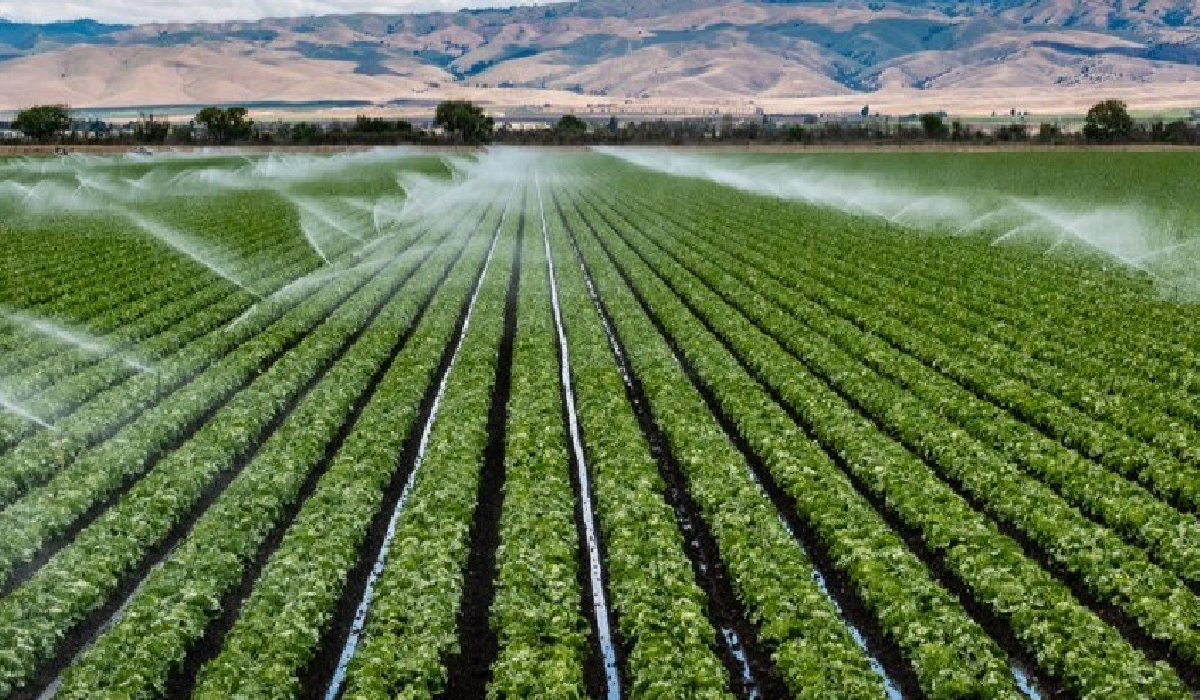
Water-efficient farming involves practices that maximize crop yield per unit of water used. Techniques such as drip irrigation, sprinkler systems, rainwater harvesting, and soil moisture monitoring are revolutionizing farm management. Drip irrigation delivers water directly to plant roots, minimizing evaporation and runoff, and can reduce water usage by up to 40% while maintaining or increasing yields. Sprinkler systems allow uniform distribution over large areas and can be automated for precise timing and volume. These methods lower costs, reduce fertilizer wastage, and protect soil health, all of which translate into higher profits for commercial farms.
Mitigating Risks and Ensuring Stable Production
For businesses, water-efficient farming also reduces risks associated with climate variability, unpredictable rainfall, and droughts. Farms that invest in water-saving technologies gain resilience, ensuring consistent production and stable income. Additionally, water-smart farms are more attractive to investors and lenders, as efficiency and sustainability are increasingly important metrics in agribusiness financing.
Unlocking Premium Markets and Value Addition
Water-efficient techniques not only conserve resources but also improve crop quality. Precise irrigation produces uniform, high-quality crops with better shelf life, making them more attractive to supermarkets, urban markets, and export buyers. Premium pricing for water-efficient produce allows farmers to recover technology costs and generate additional revenue. Integrating water efficiency with sustainable practices like organic farming or fertigation further opens doors to niche markets willing to pay a premium for responsibly produced food.
Investment, Scalability, and Technology Options
Adopting water-efficient techniques does not necessarily require massive investment. Low-cost drip systems or rainwater collection tanks are scalable for smallholder farms, while larger commercial operations can implement IoT-based monitoring and automated irrigation systems to optimize water use across multiple hectares. Guidance from agritech companies, cooperatives, or government programs can help farmers maximize efficiency while keeping operational costs manageable.
Sustainability and Corporate Responsibility
Water-efficient farming aligns with global sustainability goals and corporate responsibility initiatives. Reducing water consumption preserves ecosystems, maintains soil fertility, and ensures long-term environmental stewardship. Many agribusinesses now use water efficiency as a benchmark for CSR programs, providing training and resources to farmers to adopt sustainable practices while creating a positive impact on communities.
Conclusion: Profitable and Resilient Farming
In today’s competitive agriculture landscape, water-efficient farming is both a necessity and an opportunity. By conserving resources, reducing input costs, improving crop quality, and mitigating climate risks, farmers can maximize profit and sustainability simultaneously. For commercial operators, integrating water-smart technologies into farming practices is no longer optional—it is a strategic investment in long-term growth, resilience, and environmental responsibility.