
The Future of Makhana Cultivation: Opportunities, Growth, and Profits
Introduction
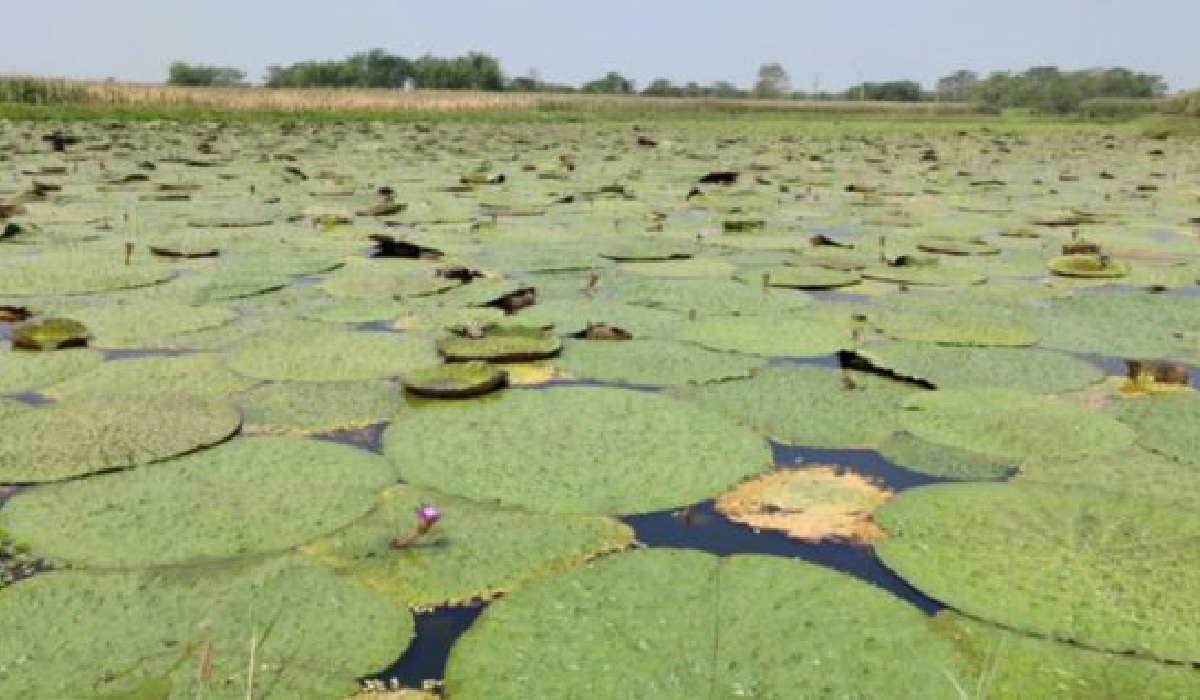
Makhana, also known as fox nut or Euryale seeds, is emerging as a lucrative crop for farmers due to its increasing demand in health-conscious markets. Traditionally grown in the wetlands of Bihar, India, Makhana is highly nutritious, gluten-free, and rich in protein, antioxidants, and essential minerals. Its growing popularity as a healthy snack and ingredient in ready-to-eat products is driving commercial interest.
Why Makhana Farming is Promising
Global trends show rising demand for organic and natural foods, and Makhana perfectly fits this niche. Unlike traditional cereals, it requires less investment in pesticides and fertilizers, as it grows naturally in waterlogged conditions. The crop also has a long shelf life after processing, making it suitable for packaged snacks and health foods. With growing awareness of diabetes-friendly and gluten-free diets, Makhana is gradually entering international markets, expanding export potential.
Growth Potential
Makhana cultivation has immense scope for expansion. Innovations like mechanized harvesting and improved seed varieties are increasing yields. With government support through subsidies and training for wetland farming, more farmers are adopting this crop. Moreover, value addition through roasting, packaging, and production of Makhana-based snacks or health supplements opens new revenue streams. Research indicates that a single hectare can produce yields worth significantly higher returns compared to traditional cereals.
Market Trends and Opportunities
The Makhana market is growing steadily. Packaged Makhana snacks, Makhana flour, and ready-to-cook varieties are increasingly being sold in urban markets, supermarkets, and e-commerce platforms. International markets in the US, Europe, and Southeast Asia are showing rising demand for organic and gluten-free products, presenting export opportunities. Branding and value addition, combined with certifications like organic or FSSAI, can further enhance profits for commercial growers.
Sustainability and CSR
Makhana cultivation supports sustainable farming. Since it grows in wetlands, it helps in preserving natural ecosystems and maintaining biodiversity. Farmers can integrate eco-friendly farming practices while increasing income. CSR initiatives by companies can focus on supporting Makhana farmers with training, mechanization, and market access, creating social and environmental benefits.
Conclusion
Makhana farming is no longer a niche crop – it is emerging as a profitable, health-oriented, and sustainable agricultural business. With increasing demand, government support, and innovations in processing and marketing, farmers have the potential to transform traditional cultivation into a commercial success story. For agribusiness investors, processors, and exporters, Makhana offers a promising avenue with long-term growth prospects.