
Designing the Future: Green Buildings That Think, Save, and Sustain
The Big Picture
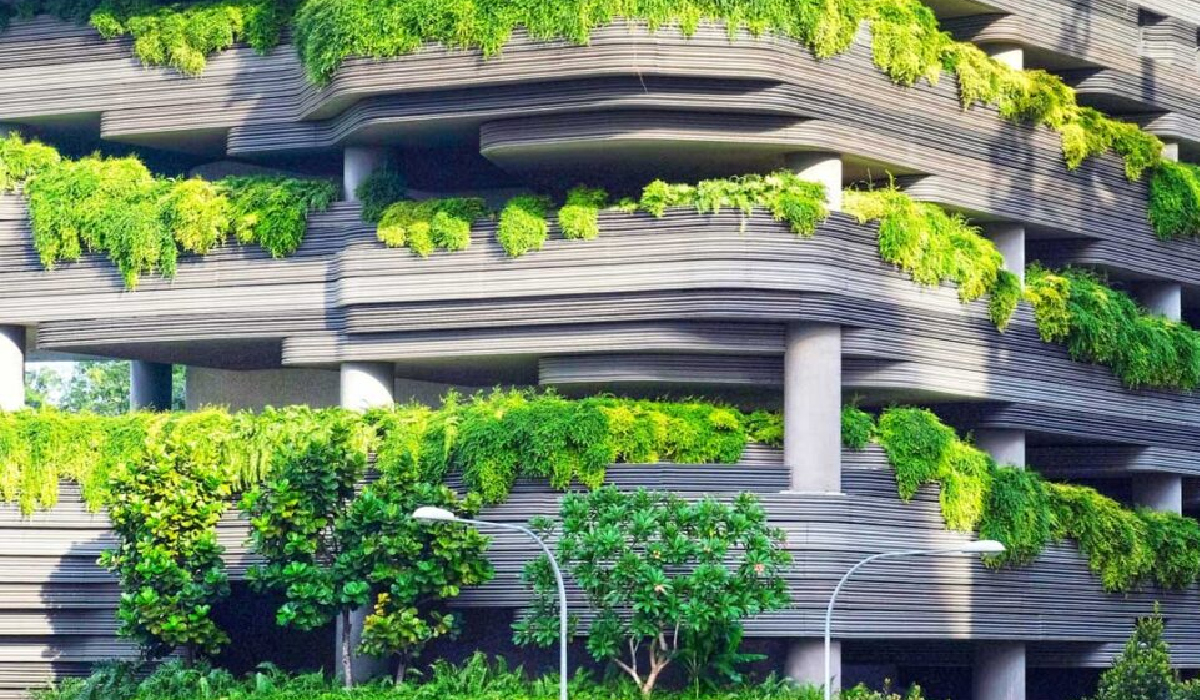
Green buildings are transforming the way universities design and operate their infrastructure. These buildings are designed to minimize environmental impact while maximizing energy efficiency and comfort. Features such as natural lighting, ventilation, and sustainable materials play a key role. Campuses are increasingly adopting green architecture as part of their sustainability goals.
Why This Matters Now
Buildings account for a significant portion of global energy consumption and carbon emissions. Traditional construction methods are resource-intensive and environmentally damaging. Green buildings reduce energy use and operational costs while promoting healthier indoor environments. This makes them essential for sustainable development.
Where the Future Is Heading
Future campuses will feature smart buildings equipped with automated systems and renewable energy integration. These structures will adapt to environmental conditions and optimize resource usage. Sustainable construction materials and innovative designs will become the norm. This evolution will redefine modern campus infrastructure.
Career Pathways You Can Explore
Students can pursue careers in architecture, sustainable design, and construction management. Specialized roles such as energy auditors and green building consultants are also in demand. These professions focus on creating efficient and environmentally friendly spaces. They offer exciting opportunities in a growing industry.
Driving Change Through Responsibility (CSR)
Universities can promote sustainable construction practices through community projects and awareness programs. Supporting eco-friendly housing initiatives can have a significant social impact. Collaboration with industry partners can further enhance these efforts. Such initiatives demonstrate leadership in sustainability.
Where You Can Learn This
Programs in architecture, civil engineering, and environmental design provide the necessary skills. Many institutions also offer certifications in green building standards. Practical exposure through design projects and internships is highly valuable. These learning opportunities prepare students for future challenges.