
Water Stress and Groundwater Depletion in Major River Basins
Introduction: A Looming Water Crisis
Water scarcity is emerging as one of the greatest challenges of the 21st century. Major river basins around the world, including the Ganga, Colorado, Nile, and Mekong, are experiencing severe water stress due to over-extraction, population growth, industrialization, and climate change. Groundwater depletion is accelerating, threatening agriculture, ecosystems, and urban water supply, making sustainable management critical for survival.
Causes of Water Stress
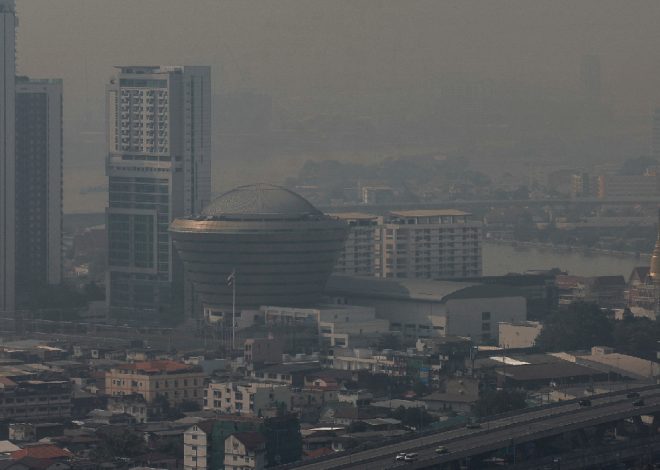
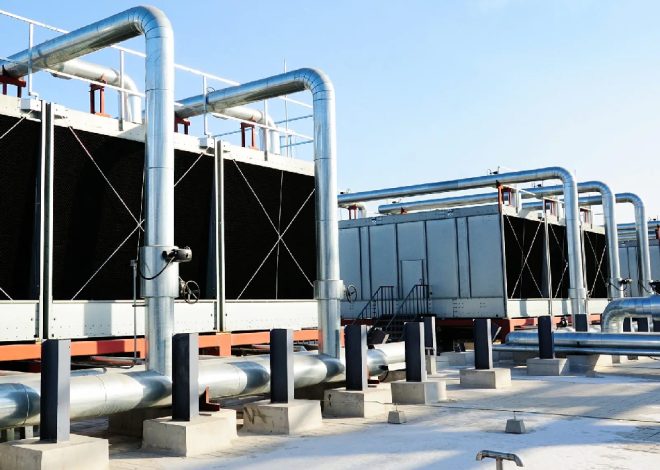
Several factors contribute to water stress in river basins. Intensive agriculture consumes vast amounts of freshwater, often exceeding natural replenishment rates. Rapid urbanization and industrial expansion increase demand for drinking water, cooling systems, and manufacturing. Deforestation, pollution, and inefficient water management exacerbate the problem. Additionally, climate change has altered rainfall patterns, causing droughts in some regions and floods in others, further destabilizing water availability.
Groundwater Depletion: Hidden Danger
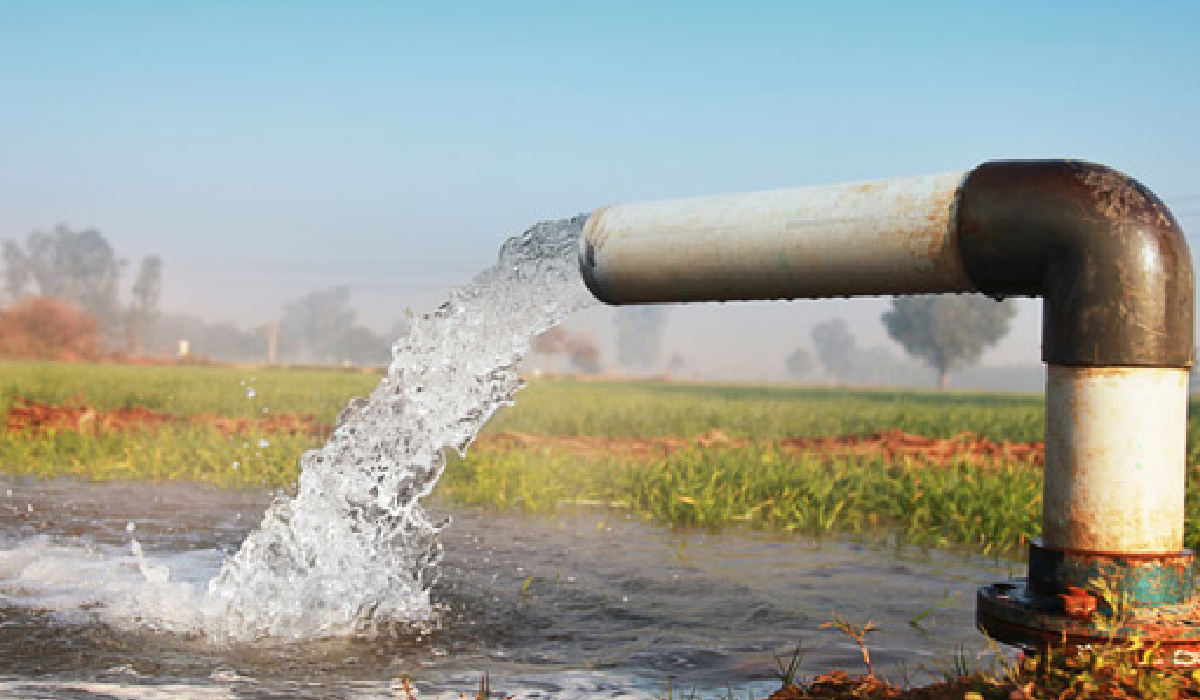
Groundwater is a lifeline for millions, but excessive extraction for irrigation, domestic, and industrial use is lowering water tables. In regions like North India, parts of the US, and China, groundwater is being pumped faster than it can recharge naturally. This overexploitation leads to land subsidence, reduced river flows, and deteriorating water quality due to salinization and contamination. Without immediate action, water shortages could undermine food security and economic stability.
Impact on Agriculture and Livelihoods
Agriculture, the largest consumer of freshwater, faces direct consequences from water scarcity. Crop yields decline when irrigation water is insufficient, affecting both food supply and farmer incomes. Farmers increasingly rely on expensive borewells, deep pumps, and fertilizers to compensate, raising costs and environmental risks. Water scarcity also limits livestock farming, aquaculture, and agro-processing industries, threatening rural livelihoods.
Solutions for Sustainable Water Management
Addressing water stress requires integrated approaches. Rainwater harvesting and groundwater recharge can restore aquifers. Micro-irrigation techniques, such as drip and sprinkler systems, reduce water wastage. Efficient water governance, including allocation regulations, monitoring, and river basin planning, is essential. Pollution control measures and afforestation programs help maintain water quality and natural replenishment.
Policy, Technology, and Community Involvement
Governments play a vital role in managing river basins through policy frameworks, incentives, and infrastructure development. Technology, including remote sensing, GIS mapping, and real-time monitoring, aids water resource planning and detection of depletion trends. Community engagement is equally important—farmers, urban residents, and industries must adopt water-saving practices, wastewater recycling, and responsible usage to ensure equitable distribution.
Conclusion: Securing Water for the Future
Water stress and groundwater depletion are pressing threats to ecosystems, agriculture, and human well-being. Sustainable management, efficient irrigation, policy interventions, and public participation are essential to preserve this critical resource. Protecting river basins today ensures reliable water availability for future generations, safeguards food security, and strengthens climate resilience globally.