
Urban Heat Islands and Cooling Infrastructure Solutions
Introduction: Cities Under Heat Stress
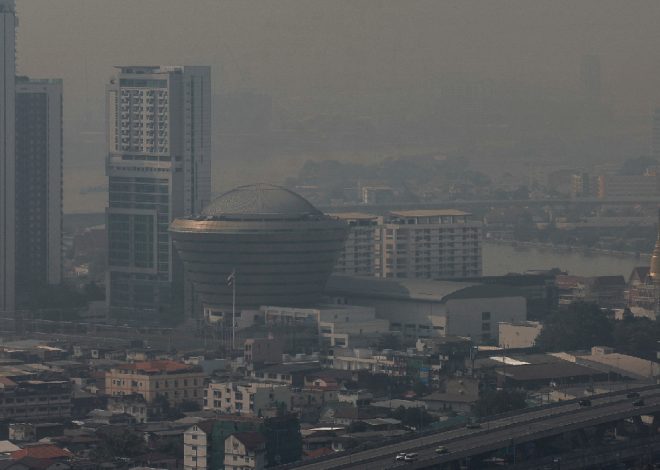
Urban areas are heating up faster than rural regions, a phenomenon known as the Urban Heat Island (UHI) effect. High-density construction, asphalt roads, and limited green spaces trap heat, increasing temperatures in cities by 2–7°C compared to surrounding areas. Rising heat not only affects human comfort and health but also escalates energy consumption, air pollution, and stress on water resources. Addressing UHIs is critical for sustainable, resilient, and livable cities.
Causes of Urban Heat Islands
UHIs result from a combination of factors. Buildings, roads, and pavements absorb and retain solar radiation. Lack of vegetation reduces natural cooling, while human activities like transportation and industrial operations release additional heat. High-rise structures create “canyon effects,” trapping warm air and preventing natural ventilation. Together, these factors amplify local temperatures, impacting energy demand and public health.
Impacts on Health and Economy
The consequences of UHIs extend beyond discomfort. Higher urban temperatures increase heat-related illnesses, including heatstroke, dehydration, and cardiovascular stress. Vulnerable populations—children, the elderly, and outdoor workers—face the greatest risk. Economically, UHIs drive higher energy costs as cooling demand rises, strain public health systems, and reduce labor productivity. Over time, prolonged heat can affect urban infrastructure, accelerating road deterioration and energy grid stress.
Cooling Infrastructure and Mitigation Strategies
Cities are implementing innovative solutions to combat UHIs. Green roofs and walls absorb heat, improve insulation, and promote evapotranspiration. Urban tree planting and pocket parks provide shade, reduce surface temperatures, and enhance air quality. Cool pavements made from reflective or permeable materials reduce heat absorption. Additionally, water-sensitive urban design, such as fountains, wetlands, and rain gardens, uses evaporation to cool surroundings naturally.
Smart City Technologies
Technology is playing a key role in mitigating UHIs. Thermal mapping and satellite monitoring help identify heat hotspots for targeted interventions. Smart sensors integrated with energy and water management systems allow dynamic cooling of urban zones. Cities are also experimenting with high-albedo surfaces, reflective coatings, and climate-responsive building designs to reduce heat accumulation and energy demand.
Policy and Community Engagement
Government policies, urban planning regulations, and incentives for green construction are crucial for long-term success. Encouraging sustainable building materials, mandating tree cover, and supporting community-led greening projects empower citizens to actively participate in UHI mitigation. Public awareness campaigns on heat risks and preventive measures also help reduce health impacts during extreme heat events.
Conclusion: Towards Cooler, Resilient Cities
Urban Heat Islands are a growing environmental challenge with serious health, economic, and ecological consequences. By combining green infrastructure, innovative technology, and proactive policies, cities can reduce urban temperatures, enhance livability, and build resilience against climate change. Investing in cooling solutions today ensures sustainable, comfortable, and healthy urban environments for future generations.