
Solar Power Innovation: Beyond Panels to Smart Energy Systems
Introduction: The Solar Revolution Continues
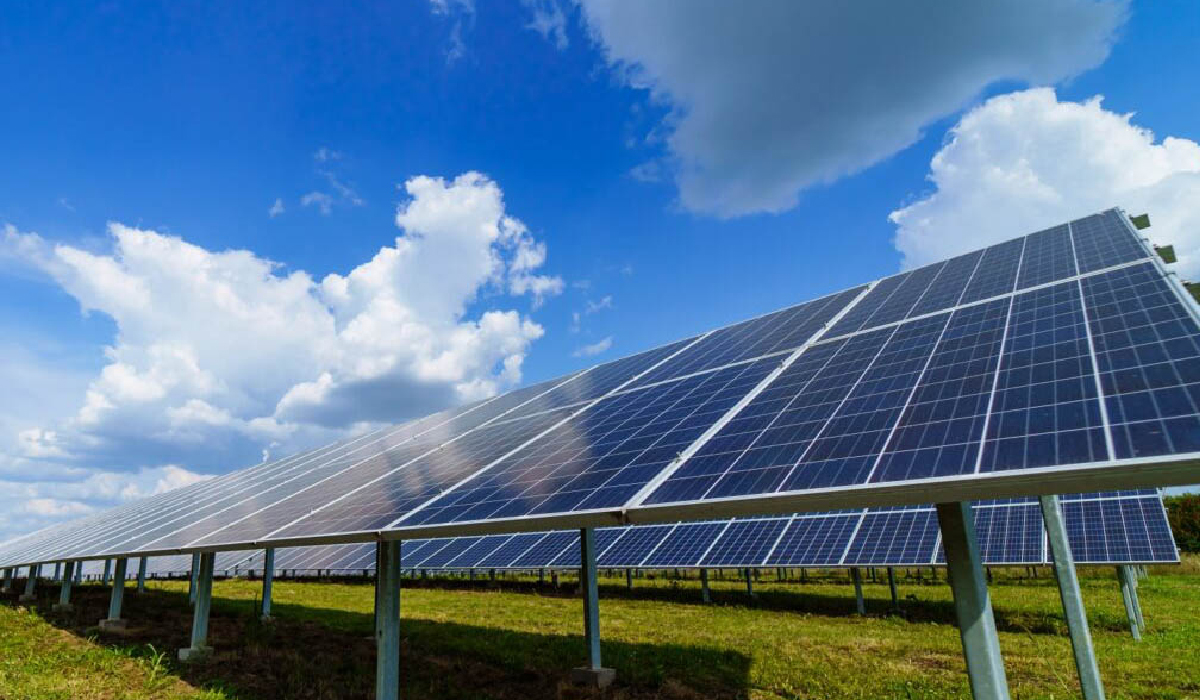
Solar energy is no longer limited to traditional rooftop panels. Innovative technologies and smart energy systems are transforming how we capture, store, and distribute solar power. From floating solar farms to agrivoltaics and integrated battery storage, the solar sector is evolving to meet global energy demands sustainably while maximizing efficiency and land use.
Why Solar Innovation is Critical
As countries pursue renewable energy targets, solar power offers a versatile and abundant solution. However, conventional solar systems face challenges like land constraints, intermittency, and limited efficiency. Cutting-edge innovations address these issues, allowing solar to become more cost-effective, scalable, and adaptable to diverse environments—from urban rooftops to agricultural fields.
Emerging Technologies in Solar Power
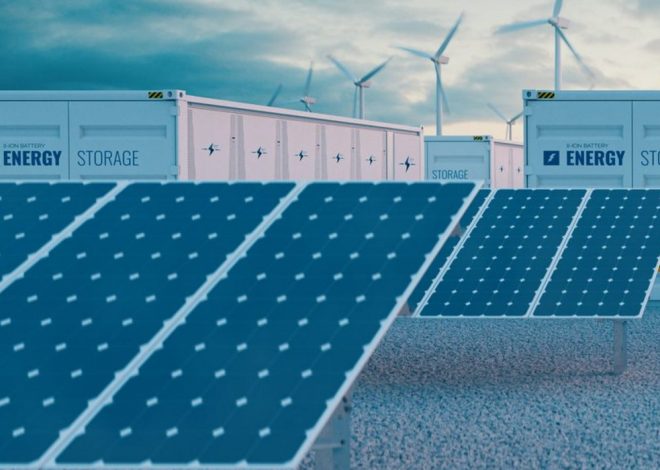
Next-generation solar cells, such as perovskite panels, offer higher efficiency and lower production costs. Floating solar farms on reservoirs or lakes reduce land use while cooling panels to improve performance. Agrivoltaic systems combine solar generation with crop cultivation, optimizing land productivity and providing shade for sensitive crops. Energy storage integration ensures continuous electricity supply, even when the sun isn’t shining.
Economic and Environmental Benefits
Advanced solar solutions bring both financial and ecological advantages. Farmers can earn dual income through agrivoltaics, cities can save on energy costs with rooftop solar + battery systems, and utilities can reduce reliance on fossil fuels. Environmentally, these systems reduce carbon emissions, lower heat island effects in urban areas, and conserve natural resources by using existing land and water surfaces efficiently.
Global Success Stories
Countries like India, China, and Germany are pioneering solar innovations at scale. India’s floating solar projects have added gigawatts of renewable capacity without consuming farmland. Germany integrates agrivoltaics on commercial farms to boost productivity while generating clean energy. These examples demonstrate that solar innovation is both technically feasible and economically viable.
Challenges and Solutions
While promising, advanced solar technologies face hurdles such as higher initial costs, material durability, and grid integration complexity. Research into long-lasting materials, government subsidies, and public-private partnerships are key solutions. By investing in training, maintenance, and infrastructure, nations can accelerate adoption and ensure long-term benefits.
The Future of Smart Solar Systems
The next decade will see solar energy becoming increasingly integrated with smart grids, IoT sensors, and AI-based energy management systems. Solar + storage combinations will enable peak demand balancing, electric vehicle charging, and decentralized energy markets. As efficiency improves and costs decline, solar energy will remain a cornerstone of sustainable energy transition worldwide.
Conclusion: Shining a Sustainable Path Forward
Solar power innovation is redefining the renewable energy landscape. By moving beyond conventional panels to smart, integrated systems, societies can harness abundant solar energy more efficiently, sustainably, and economically. Embracing these innovations ensures a cleaner, brighter, and more resilient energy future for cities, industries, and communities worldwide.