
Energy Storage Technologies: Unlocking Renewable Potential
Introduction: The Key to a Renewable Future
Renewable energy sources like solar and wind are intermittent, producing electricity only when the sun shines or wind blows. Energy storage technologies are critical to balancing supply and demand, ensuring reliability, and enabling widespread adoption of clean energy. From batteries to pumped hydro and thermal storage, innovations in energy storage are transforming the renewable energy landscape.
Why Energy Storage is Essential
Without storage, renewable energy cannot fully replace fossil fuels due to fluctuations in generation. Storage systems capture excess energy during peak production and release it when demand is high, stabilizing the grid. Effective energy storage increases resilience, reduces blackouts, and maximizes the value of renewable power while supporting sustainable urban, industrial, and rural electrification.
Battery Technologies
Battery storage, particularly lithium-ion, dominates modern energy storage solutions. Advancements in chemistry, efficiency, and lifespan have made batteries suitable for both utility-scale and residential applications. Emerging technologies such as solid-state batteries, flow batteries, and sodium-ion batteries promise higher capacity, safety, and affordability, enabling more extensive deployment of renewable energy systems.
Pumped Hydro and Thermal Storage
Pumped hydroelectric storage remains the largest form of energy storage globally. It stores energy by pumping water to elevated reservoirs and releasing it to generate electricity when needed. Thermal storage systems, including molten salt and phase-change materials, store heat from solar or industrial processes for later electricity generation or heating applications. These technologies are scalable and highly reliable.
Economic and Environmental Benefits
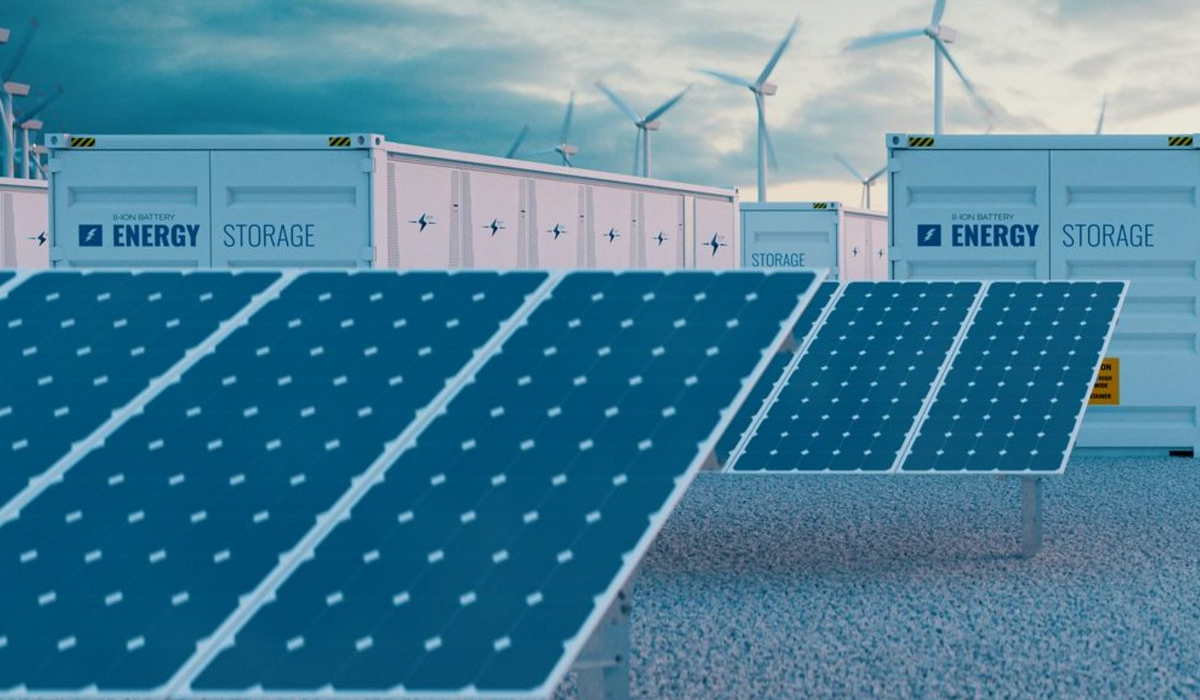
Energy storage enhances grid efficiency and reduces dependence on fossil fuel peaking plants, lowering operational costs and emissions. It supports renewable integration, facilitates electric vehicle charging, and enables microgrids for remote communities. By reducing curtailment of renewable energy, storage maximizes economic returns on investments while supporting decarbonization goals.
Global Adoption and Innovation
Countries such as the United States, Germany, China, and Australia are rapidly deploying energy storage systems. Utility-scale battery farms, hybrid solar-storage projects, and community microgrids are gaining momentum. Innovative projects, including long-duration energy storage and vehicle-to-grid integration, demonstrate the potential for storage to reshape energy systems globally.
Challenges and Solutions
Challenges include high upfront costs, resource constraints, and recycling issues for battery storage. Pumped hydro requires suitable geography, and thermal systems need specialized materials. Addressing these requires technological innovation, government incentives, circular material management, and strategic site selection to maximize efficiency and sustainability.
The Future of Energy Storage
Energy storage will be the backbone of a 100% renewable energy future. Hybrid systems combining batteries, pumped hydro, thermal storage, and green hydrogen will provide reliable, cost-effective, and scalable solutions. With continued innovation, storage technologies will enable uninterrupted clean energy supply, support electric mobility, and empower sustainable cities and industries.
Conclusion: Powering a Clean Energy World
Energy storage technologies are essential for unlocking the full potential of renewable energy. By stabilizing grids, supporting decarbonization, and enabling innovative applications, storage solutions are driving the transition to a clean, reliable, and resilient energy future. Investing in energy storage today ensures a sustainable tomorrow.