
Electric Public Transport: Driving Cities to Net-Zero Mobility
Introduction: The Shift Towards Clean Transit
Urban transportation is one of the largest contributors to greenhouse gas emissions globally. In response, cities are rapidly transitioning to electric public transport systems, including buses, trams, and taxis. This shift is not just an environmental imperative—it is a smart economic decision that improves air quality, reduces fuel costs, and modernizes urban mobility.
Why Electric Public Transport Matters
Traditional diesel buses and taxis produce high levels of carbon dioxide, nitrogen oxides, and particulate matter. Electric vehicles (EVs) eliminate tailpipe emissions and reduce noise pollution, improving urban air quality and public health. Cities that adopt electric transit also move closer to climate commitments like net-zero emissions targets while reducing reliance on imported fossil fuels.
Implementation Strategies in Cities
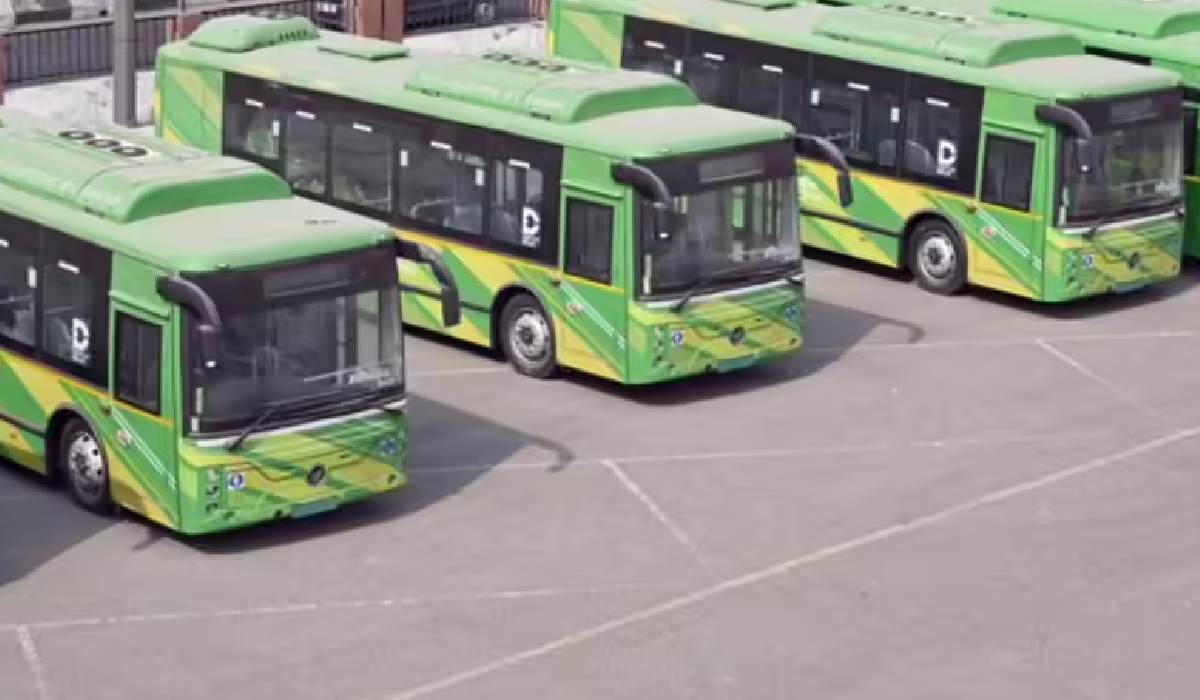
Several cities have become global pioneers in electric public transport. Shenzhen, China, operates a fully electric bus fleet, cutting emissions equivalent to millions of cars. European cities, such as Oslo and Amsterdam, integrate EV buses with renewable energy grids to maximize environmental benefits. Key strategies include phased fleet replacement, government subsidies for EV procurement, charging infrastructure development, and driver training programs.
Economic and Operational Benefits
While the upfront cost of electric buses is higher than diesel counterparts, operational savings are substantial. Electricity is cheaper than diesel, and EV maintenance costs are lower due to fewer moving parts. Long-term savings can offset initial investments, especially when combined with government incentives and carbon credits. Additionally, cleaner public transport boosts tourism, promotes healthier cities, and enhances citizen satisfaction.
Challenges and Solutions
Transitioning to electric fleets comes with challenges. High capital expenditure, limited charging infrastructure, and grid capacity constraints can slow adoption. Solutions include public-private partnerships, scalable charging stations, battery leasing models, and integrating smart energy grids. Cities also need policies that prioritize clean transportation in procurement and urban planning to ensure long-term success.
Future Prospects
As battery technology improves and costs decline, electric public transport will become increasingly viable for cities of all sizes. Integration with smart mobility solutions, such as route optimization and predictive maintenance, will further enhance efficiency. With growing public awareness and government support, EV transit systems are poised to become the backbone of sustainable urban mobility worldwide.
Conclusion: A Sustainable Path Forward
Electric public transport is transforming urban mobility by reducing emissions, improving air quality, and lowering operational costs. By combining innovative technology, supportive policy frameworks, and strategic investments, cities can accelerate the transition to net-zero mobility. The journey toward cleaner, more efficient, and healthier urban transit is underway – and cities that embrace it stand to benefit environmentally, socially, and economically.