
Banana Cultivation: Expanding Markets and High Returns
Introduction
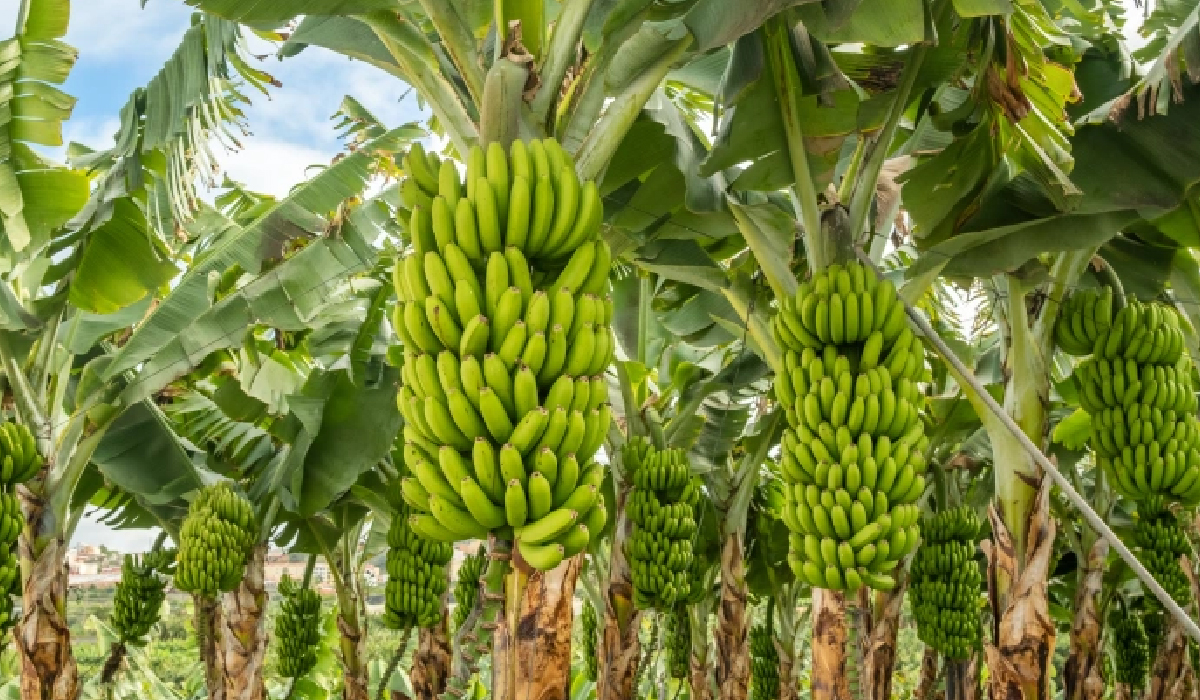
Banana farming has long been a staple crop in tropical and subtropical regions, but it is increasingly being recognized as a profitable agribusiness. Bananas are a high-demand fruit consumed worldwide for their taste, nutritional value, and versatility. Beyond fresh consumption, bananas are processed into chips, flour, baby food, and beverages, creating multiple revenue streams for farmers and agribusinesses.
Why Banana Farming is Profitable
Bananas are a fast-growing crop that provides regular yield, often within 9–12 months of planting. They require moderate investment in fertilizers, irrigation, and pest management, making them suitable for both small-scale and commercial farming. Modern techniques, including tissue culture planting, drip irrigation, and integrated pest management, have increased yields and reduced risks from disease and pests.
Growth Potential
Banana consumption is projected to rise globally due to its health benefits and convenience as a snack. Export-oriented varieties like Cavendish offer access to international markets, especially in Europe, the Middle East, and Southeast Asia. Contract farming with retail chains and agro-processing units ensures assured returns and reduces market uncertainties. Farmers adopting modern practices can achieve high yields of up to 40–50 tons per hectare, generating significant profits.
Market Trends and Opportunities
The banana market is evolving beyond fresh fruit sales. Value-added products, including banana flour for gluten-free baking, dehydrated chips, and puree for food processing, are opening new business opportunities. With e-commerce and retail expansion in urban markets, demand for packaged, ready-to-use banana products is rising. Branding, quality certification, and cold-chain logistics enhance profitability for commercial producers.
Sustainability and CSR
Banana farming can be environmentally sustainable through drip irrigation, organic fertilizers, and minimal pesticide use. Water-efficient practices conserve resources while maintaining productivity. CSR initiatives can support farmers by providing training, disease-resistant saplings, and market access, benefiting rural communities and strengthening supply chains.
Conclusion
Banana cultivation offers a mix of high yield, short production cycles, and multiple revenue streams. With growing domestic and export demand, sustainable farming practices, and value addition, commercial banana farming is an attractive opportunity for agribusiness investors and farmers seeking profitable and scalable ventures.