

Medicinal Plant Farming: Profits from Herbal and Pharma Crops
Introduction
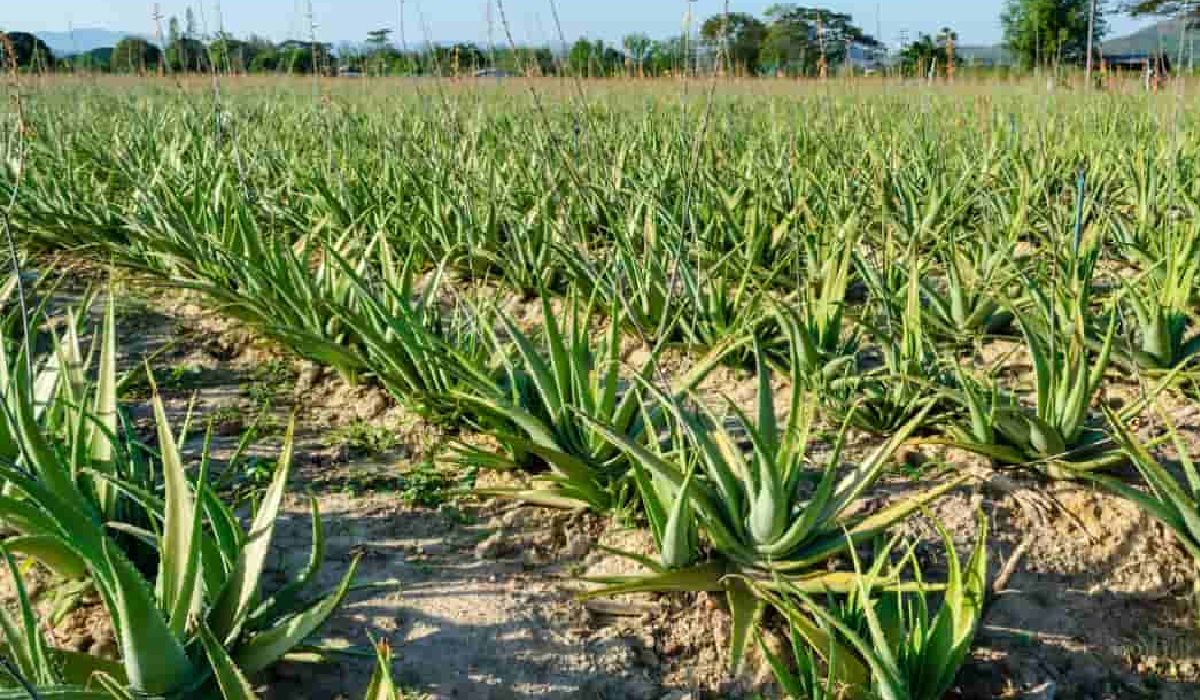
Medicinal plants, also known as herbal crops, are experiencing a surge in demand due to the global shift toward natural remedies, herbal supplements, and pharmaceutical ingredients. Plants like Ashwagandha, Aloe Vera, Tulsi, and Brahmi are in high demand across wellness, cosmetic, and pharmaceutical industries. Cultivating these crops offers farmers a profitable business model with comparatively lower land requirements.
Why Medicinal Plant Farming is Lucrative
Medicinal plants often require less water and chemical inputs compared to conventional crops. Many species are perennial, providing harvests over multiple years. Additionally, processing into powders, extracts, or oils significantly increases market value. Growing these crops positions farmers to supply industries with raw materials for herbal products, nutraceuticals, and Ayurvedic formulations.
Growth Potential
Global herbal product consumption is projected to grow steadily, driven by wellness trends and the preference for natural remedies. India, with its rich biodiversity, has a competitive advantage as a supplier of raw medicinal plants. Contract farming with pharmaceutical companies or cooperatives ensures stable income and reduces market risk. Innovations in cultivation, such as hydroponic herbal farming and organic certification, further boost profitability.
Market Trends and Opportunities
The market for herbal products spans pharmaceuticals, nutraceuticals, cosmetics, and functional foods. High-value products like Ashwagandha capsules, Aloe Vera juice, and Tulsi extracts fetch premium prices in both domestic and international markets. E-commerce and branded herbal product companies provide additional distribution channels for farmers and processors.
Sustainability and CSR
Cultivating medicinal plants supports biodiversity conservation and reduces chemical load on farmland. CSR initiatives can involve training smallholder farmers in organic cultivation, post-harvest processing, and certification procedures. By linking farmers to wellness product companies, both economic and social benefits are achieved.
Conclusion
Medicinal plant farming combines sustainable practices with high commercial value. With growing global demand, proper planning, and strategic market linkages, herbal crops offer long-term profitability for farmers and a valuable supply chain for the health and wellness industry.