

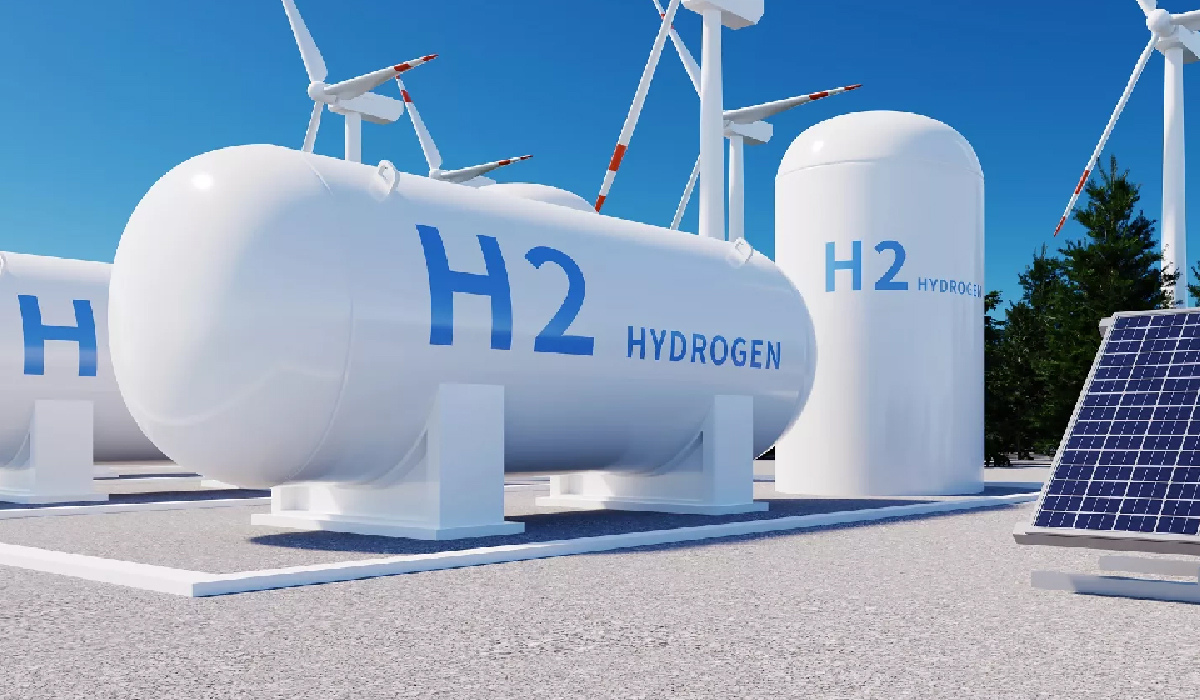
Hydrogen and Sustainable Fuel Alternatives for Heavy Transportation
Introduction: Greening the Hard-to-Electrify Sectors
While passenger cars are rapidly adopting electric power, heavy transportation—trucks, buses, trains, and ships—remains largely dependent on fossil fuels. Hydrogen fuel cells and sustainable biofuels are emerging as viable alternatives, offering low-carbon solutions for long-distance and high-load transportation. These innovations promise to reduce greenhouse gas emissions while maintaining performance and efficiency.
Why Sustainable Fuels Matter
Heavy transport contributes significantly to global emissions due to the high energy density of diesel and gasoline fuels. Electrifying these sectors is challenging because of battery weight, charging time, and energy storage limitations. Hydrogen and biofuels provide an alternative that allows heavy vehicles to operate efficiently over long distances, meeting climate goals without compromising operational demands.
Hydrogen Fuel Cells in Action
Hydrogen fuel cell technology converts hydrogen gas into electricity, producing only water vapor as a byproduct. Leading examples include hydrogen-powered buses in Europe, trucks in Japan, and freight trains in Germany. Hydrogen refueling stations and supportive infrastructure are expanding, enabling cities and industries to adopt these technologies at scale. Innovations in green hydrogen production—using renewable energy—further enhance environmental benefits.
Biofuels: A Transitional Solution
Sustainable biofuels, such as biodiesel and renewable natural gas, offer immediate carbon reduction opportunities for heavy transportation. Produced from waste oils, agricultural residues, or dedicated energy crops, biofuels can often be blended with conventional fuels. This reduces net emissions, provides a circular use of resources, and complements hydrogen and electrification strategies.
Economic and Operational Benefits
Using hydrogen and biofuels can lower long-term fuel costs, reduce dependence on imported fossil fuels, and comply with increasingly strict emission regulations. Fleet operators benefit from lower carbon taxes, access to incentives, and positive branding for sustainability. Moreover, these fuels ensure minimal downtime and high performance, critical for logistics, shipping, and public transit systems.
Challenges and Solutions
Challenges include high initial infrastructure costs, limited refueling stations, and production scalability. Hydrogen storage and transport require safety measures, while biofuel supply must avoid competition with food crops. Governments and private enterprises are collaborating on funding, research, and pilot projects to overcome these hurdles. Public-private partnerships and policy incentives play a vital role in accelerating adoption.
The Road Ahead
The future of heavy transport is a hybrid approach: hydrogen for long-haul and high-load applications, biofuels as a transitional solution, and electrification where feasible. Integration with renewable energy sources and smart logistics systems will further enhance sustainability, efficiency, and resilience.
Conclusion: Driving Toward a Sustainable Future
Hydrogen and sustainable fuel alternatives are key to decarbonizing sectors that traditional electrification struggles to reach. By adopting these technologies, governments, businesses, and transport operators can reduce emissions, improve efficiency, and move closer to a carbon-neutral transport network. The era of green heavy transportation is underway, promising a cleaner and more sustainable future.