
Smart Traffic Management and AI-Powered Sustainable Mobility
Introduction: Transforming Urban Transport
Urban congestion and air pollution are pressing challenges in growing cities. Smart traffic management, powered by AI and IoT technologies, is emerging as a game-changer. By optimizing traffic flows, reducing idle emissions, and improving public transport efficiency, cities can achieve sustainable mobility while enhancing the quality of urban life.
The Problem: Congestion and Pollution
Traditional traffic systems rely on fixed signals and human monitoring, leading to inefficiencies and delays. Traffic jams increase fuel consumption, greenhouse gas emissions, and air pollution. In dense urban areas, commuters face wasted time, higher costs, and health risks, while cities experience economic losses and environmental degradation.
AI and IoT Solutions
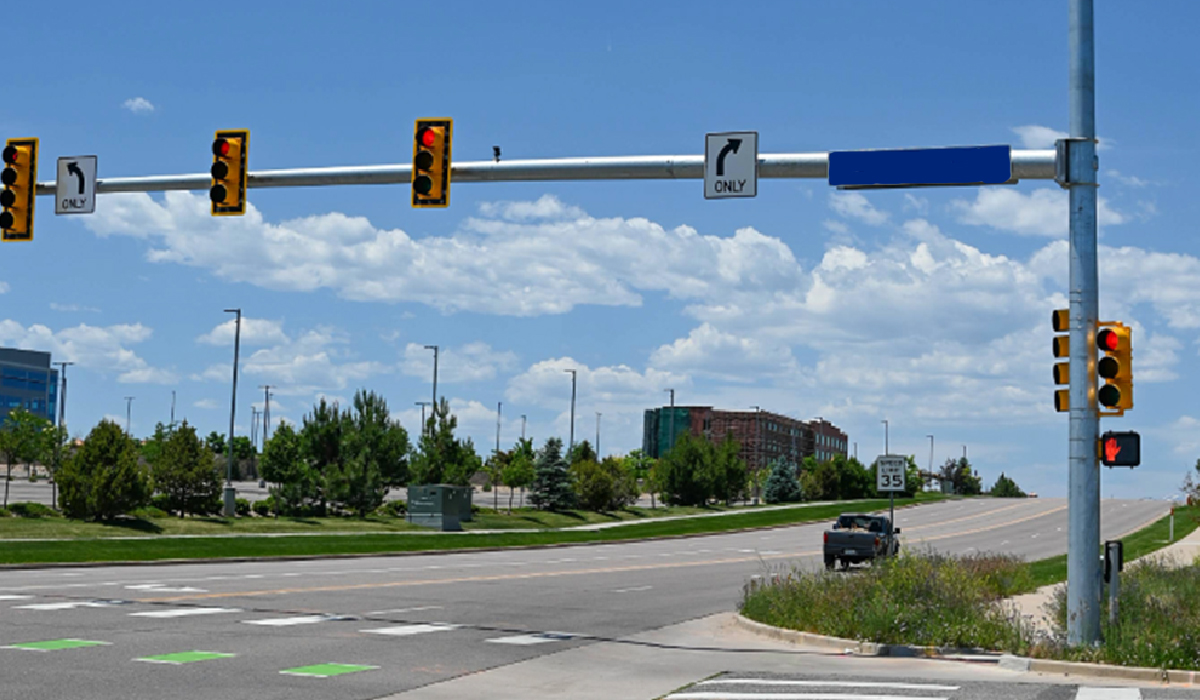
Artificial intelligence (AI) and Internet of Things (IoT) technologies enable real-time traffic monitoring and dynamic control. AI algorithms predict congestion, optimize signal timings, and suggest alternative routes. IoT sensors collect data on vehicle density, air quality, and traffic incidents, feeding predictive models that reduce delays and emissions. These systems can also integrate public transport, bike-sharing, and ride-hailing networks for a seamless mobility experience.
Benefits for Cities and Citizens
Smart traffic management delivers multiple benefits. Reduced congestion lowers carbon emissions and improves air quality. Commuters save time, fuel, and stress. Cities experience enhanced operational efficiency, better urban planning, and reduced infrastructure strain. In addition, emergency services can navigate faster, and public transport becomes more reliable, attracting more users and reducing private vehicle dependence.
Case Studies
Cities like Singapore, Barcelona, and Los Angeles are leading the way. Singapore uses AI-powered traffic lights and predictive analytics to manage peak-hour flows, significantly reducing commute times. Barcelona’s IoT-based traffic system monitors air quality and traffic congestion simultaneously, enabling real-time interventions. Los Angeles employs AI traffic signal optimization to reduce vehicle stops and emissions across the city’s dense network.
Challenges and Solutions
Implementing smart traffic systems requires investment, technical expertise, and integration across multiple agencies. Privacy concerns around data collection must be addressed, and equitable access ensured. Public-private partnerships, phased deployment, and regulatory frameworks can overcome these barriers, ensuring that AI-driven mobility benefits all citizens.
The Future of Sustainable Mobility
Smart traffic management will evolve alongside autonomous vehicles, electric mobility, and connected infrastructure. Cities can leverage AI to not only manage traffic but also promote modal shifts toward cleaner transportation modes like public transit, cycling, and walking. Predictive maintenance and AI-driven urban planning will further enhance sustainability and resilience.
Conclusion: Smarter, Cleaner Cities
AI-powered traffic management is transforming urban mobility, cutting emissions, and improving quality of life. By embracing smart systems, cities can reduce congestion, promote sustainable transport, and move toward greener, more efficient, and healthier urban environments. The integration of technology and sustainable mobility marks a pivotal step toward the cities of the future.