
Exotic Fruit Farming: Dragon Fruit, Kiwi, and High-Value Crops
Introduction
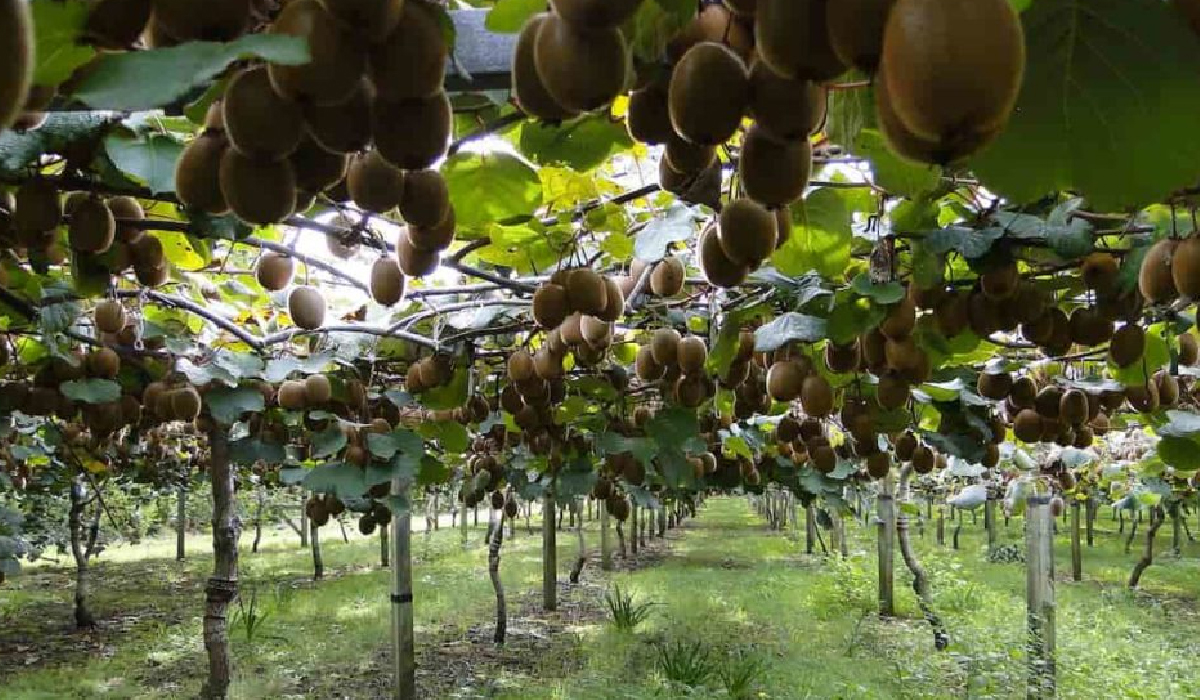
Exotic fruits like dragon fruit, kiwi, passion fruit, and pomegranate are increasingly popular due to their nutritional benefits and unique taste. These high-value crops cater to urban consumers, premium retail markets, and export-oriented businesses. Commercial cultivation of exotic fruits offers farmers and agribusinesses opportunities to diversify revenue and achieve high returns per hectare.
Why Exotic Fruit Farming is Attractive
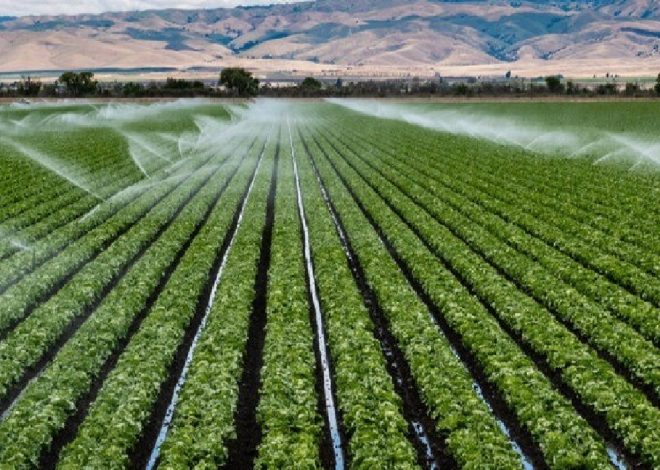
Exotic fruits often yield higher profits than traditional crops due to their premium pricing and growing demand. They require modern horticultural practices, including drip irrigation, fertigation, and climate control, which improve yields and quality. While initial investment may be higher, returns are substantial, especially for export-quality produce.
Growth Potential
Urbanization, health awareness, and increasing disposable incomes are driving domestic and international demand for exotic fruits. Dragon fruit and kiwi, for example, are now staples in supermarkets, hotels, and restaurants. With proper cultivation techniques, farmers can achieve multiple harvests annually, increasing revenue potential.
Market Trends and Opportunities
Exotic fruits are sold fresh, processed into juices, jams, and nutraceutical products, or used in hospitality industries. Export markets in the Middle East, Southeast Asia, and Europe are lucrative for high-quality produce. Farmers can also create niche brands for premium consumers, further enhancing profitability.
Sustainability and CSR
Exotic fruit cultivation often encourages sustainable practices like organic farming, efficient water use, and integrated pest management. CSR initiatives can include farmer training programs, cooperative farming, and market linkages, benefiting local communities and enhancing social impact.
Conclusion
Exotic fruit farming is a high-value, commercially viable agribusiness. With proper investment, technology adoption, and market planning, it offers farmers sustainable profits while meeting the growing demand for nutritious, premium-quality fruits.